How Food Deserts Drive Health Disparities in Communities
- Kamara Nnadi
- 6 hours ago
- 8 min read

A healthy diet is hard to maintain when the nearest full-service grocery store is miles away, the bus route is unreliable, and the corner store mostly sells chips, soda, and shelf-stable meals. For many families, food choices are shaped less by preference than by geography, income, transportation, time, and local investment.
That is the core problem behind food deserts. The term describes areas where residents have limited access to affordable, nutritious food, especially fresh fruits, vegetables, whole grains, dairy, and lean proteins. In the United States, these areas often overlap with low-income neighborhoods, rural towns, and communities that have faced years of disinvestment.
Food deserts do not cause health disparities on their own. They work alongside poverty, housing instability, underfunded schools, limited health care access, environmental exposure, and discrimination. Still, food access plays a major role in shaping who has a fair chance to prevent disease, manage chronic conditions, and live well.
This article is for general information only and is not medical advice.
What a food desert really looks like
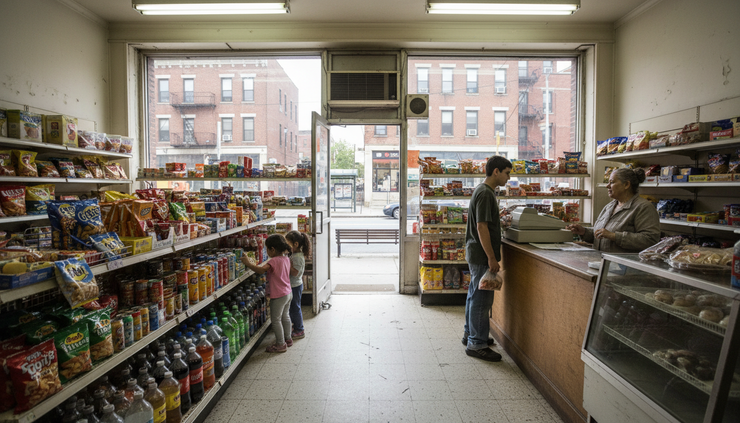
A food desert is not always an empty place with no food. In many neighborhoods, food is everywhere. The issue is the type, price, quality, and convenience of the food available.
A community may have gas stations, liquor stores, dollar stores, fast-food restaurants, and small markets. These places can fill an urgent need, especially when they are open late or accept benefits like SNAP. But they often have limited produce, fewer high-fiber foods, fewer low-sodium options, and higher prices for fresh items when compared with larger grocery stores.
In rural areas, the pattern can look different. A household may live far from the nearest supermarket, with no public transportation at all. A weekly grocery trip can mean a long drive, extra gas money, and careful planning. If a car breaks down, food access can collapse overnight.
Federal agencies often measure food access by looking at distance to grocery stores, household income, and transportation. Those measures are useful, but they do not capture every barrier. A store may be nearby but too expensive. It may carry produce that is poor quality. It may not stock culturally familiar foods. It may be unsafe or difficult to reach on foot because of highways, poor sidewalks, or lack of lighting.
In real life, food access is not only about whether a store exists. It is about whether people can consistently get food that supports health.
Why food deserts develop in the first place
Food deserts are often treated as accidents of the market, but they usually reflect policy choices and investment patterns built over decades.
Grocery stores follow profit, not public health
Large grocery chains look at population density, income, land costs, crime data, parking availability, and expected sales. If a neighborhood is seen as financially risky, a store may never open there, even when residents clearly need one.
When a supermarket closes, smaller retailers may fill the gap. Some provide valuable service, but many cannot match the variety or prices of a full grocery store. Fresh foods are also harder to stock because they spoil quickly and require refrigeration, delivery systems, and steady customer volume.
Transportation shapes the food map
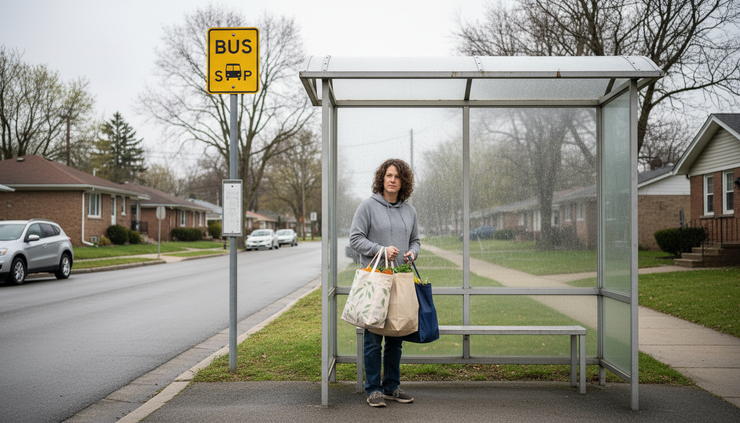
A well-stocked grocery store five miles away may be manageable for a household with a reliable car. It is a very different trip for someone who relies on buses, walks with small children, uses a wheelchair, or works two jobs.
Transportation barriers turn distance into a health issue. A person may choose foods that are easier to carry, last longer, and cost less per calorie. That often means canned, boxed, frozen, or highly processed items. Some of those foods can fit into a healthy diet, but the range of choices becomes narrow.
Disinvestment creates a chain reaction
Food access is tied to housing policy, redlining history, zoning decisions, commercial lending, and public infrastructure. Communities that were denied investment in the past often still face fewer stores, weaker transit, and less political influence.
That pattern helps explain why food deserts are not evenly distributed. They often affect Black, Latino, Indigenous, and low-income communities more often than wealthier and predominantly white areas. The result is not just inconvenience. It is one path through which inequality becomes visible in daily life.
How limited food access affects health
Diet-related health problems do not come from one meal or one store. They develop through repeated patterns over time. When nutritious food is harder to reach and less affordable, those patterns can become difficult to change.
Research suggests that limited access to healthy food is linked with higher risks for several chronic conditions, including obesity, type 2 diabetes, high blood pressure, and heart disease. The relationship is complex. Food access interacts with stress, income, medical care, work schedules, physical activity, and neighborhood safety.
Still, the food environment matters because it shapes the default option.
If the easiest meal is a low-cost fast-food combo, and the harder meal requires a long bus ride, cooking time, working kitchen equipment, and fresh ingredients, the easier meal will win often. That is not a personal failure. It is a predictable outcome of unequal conditions.
Chronic disease management becomes harder
For people already living with chronic conditions, food deserts can make daily care harder.
A person with diabetes may need regular access to high-fiber foods, lean proteins, and lower-sugar options. Someone with high blood pressure may need lower-sodium foods. A person with kidney disease or heart disease may have specific nutrition needs.
When the local food supply is limited, following medical advice becomes much harder. Health care providers may say, “Eat more fresh vegetables,” but that advice falls short if fresh vegetables are expensive, far away, or poor quality.
Children feel the effects early
Children in areas with limited food access may face barriers before they can name them. Nutritious diets support growth, learning, energy, and long-term health. When families must stretch food budgets, they may choose filling, shelf-stable foods that prevent hunger but lack variety.
School meals, summer meal programs, food pantries, and after-school programs can help. But they cannot fully replace a stable local food system. When a community lacks healthy food options, children learn early that the healthier choice is often the harder one.
Stress compounds the problem
Food insecurity and poor food access create stress. Parents may skip meals so children can eat. Older adults may ration groceries to make them last. People may spend mental energy planning around store hours, bus schedules, benefit timing, and rent payments.
Chronic stress can affect sleep, blood pressure, mental health, and eating patterns. It can also make it harder to cook, plan meals, and keep medical appointments. Food deserts widen health gaps partly because they add one more daily burden to lives that may already be stretched.
Food deserts are about more than personal choice
Public conversations about diet often focus on individual responsibility. People are told to make better choices, cook more, eat less sugar, and buy fresh food. Those messages can be useful only when people have realistic access to the choices being recommended.
A person cannot choose affordable fresh produce if the closest store does not stock it. A family cannot cook balanced meals without time, transportation, safe housing, working appliances, and money for ingredients. A neighborhood cannot shop its way out of disinvestment if no full-service store is nearby.
This does not mean personal choices are meaningless. People make thoughtful, creative decisions every day under tough conditions. Many families cook healthy meals with limited resources. Many small stores serve as important community anchors.
The problem is that public health cannot depend on extraordinary effort from people facing unequal barriers. Health equity requires making the healthy choice normal, realistic, and affordable.

How food deserts widen existing health disparities
Health disparities are preventable differences in health outcomes between groups. Food deserts contribute to those differences in several connected ways.
They create unequal exposure to unhealthy options
When some neighborhoods have full grocery stores, farmers markets, safe sidewalks, and reliable transit, while others have mostly fast food and convenience stores, residents do not face the same set of choices.
Over time, unequal food environments can shape rates of diet-related illness. Communities with fewer healthy options may see higher burdens of chronic disease. Those illnesses can then affect work, school, family finances, and quality of life.
They raise the cost of healthy eating
Healthy food can cost more in areas with limited competition. Smaller stores may pay more for goods and pass those costs to shoppers. Fresh items may be sold in smaller quantities or spoil faster, which creates waste for families with tight budgets.
The cheapest calories are often refined grains, added sugars, and fats. These foods can reduce hunger quickly, but a diet built mostly around them can increase health risks over time. When budgets are tight, price often beats nutrition.
They make preventive care less effective
Doctors, nurses, dietitians, and community health workers can give guidance, but that guidance depends on the world outside the clinic.
A patient may understand exactly what foods would help manage blood pressure or blood sugar. The challenge is getting those foods week after week. Without food access, health education alone has limited power.
That is why many health systems now screen for food insecurity and connect patients with food resources. Some clinics partner with food pantries, produce prescription programs, or medically tailored meal services. These efforts recognize a basic truth: health care does not stop at the exam room door.
What helps reduce food deserts
No single solution fixes food deserts everywhere. Urban neighborhoods, tribal communities, suburbs, and rural towns need different approaches. Still, several strategies can help when they are designed with local residents rather than imposed from the outside.
Support full-service grocery options
Some communities use grants, tax incentives, public-private partnerships, or financing tools to attract grocery stores. This can work, but only if stores are affordable, accessible, and responsive to local needs.
A grocery store that opens without hiring locally, stocking culturally relevant foods, or accepting common payment methods may not solve the problem. Community input matters from the planning stage.
Strengthen small local retailers
Corner stores and small markets already serve many neighborhoods. Programs that help them add refrigeration, stock fresh produce, improve supply chains, and accept nutrition benefits can expand access without waiting for a major chain.
This approach works best when store owners get practical support and residents trust the store.
Improve transportation
Better bus routes, safer sidewalks, protected crossings, and affordable ride programs can make existing food sources easier to reach. In rural areas, mobile markets, cooperative delivery, and volunteer driver programs may help close the gap.
Transportation investments also support access to jobs, schools, clinics, and social services, so the benefits extend beyond food.
Expand community-based food programs
Community gardens, farmers markets, food co-ops, school-based markets, and produce prescription programs can all play a role. These efforts are not substitutes for a fair retail food system, but they can build local capacity and increase access.
The most effective programs tend to share a few traits:
They involve residents in decisions.
They accept SNAP, WIC, or other food benefits when possible.
They offer foods people actually want and know how to use.
They operate consistently, not just as short-term projects.
They connect food access with transportation, health care, and housing support.
Address income, not just geography
Food deserts are closely tied to poverty. A new grocery store helps less if residents still cannot afford the food inside. Policies that strengthen wages, nutrition benefits, housing stability, and child care can improve food access by improving household budgets.
Food access is a neighborhood issue, but it is also an income issue.

What communities can do next
Reducing food deserts takes more than telling people to shop differently. It requires changing the conditions that shape everyday choices.
Local leaders, health systems, schools, nonprofits, retailers, and residents can start by asking practical questions:
Where are the nearest affordable full-service grocery stores?
Which neighborhoods lack safe walking routes or reliable transit to food?
Do local stores accept SNAP and WIC?
Are fresh foods priced within reach?
Which foods are culturally familiar and wanted by residents?
What do families say they need most?
Good solutions begin with listening. Residents know which stores are too expensive, which bus routes fail them, which markets feel safe, and which programs actually help.
Food deserts drive health disparities because they make healthy living harder in some communities than in others. They limit choices, raise costs, add stress, and weaken the impact of medical advice. But they are not permanent. With sustained investment, better transportation, stronger local food systems, and policies that reduce poverty, communities can make nutritious food easier to reach.
A fair food system does more than fill shelves. It gives people a better chance to prevent illness, manage health, and build daily life around something stronger than scarcity.



Comments